
Women of the Pines Entry One -Elizabeth Coleman White
She was Often Referred to as the Blueberry Queen
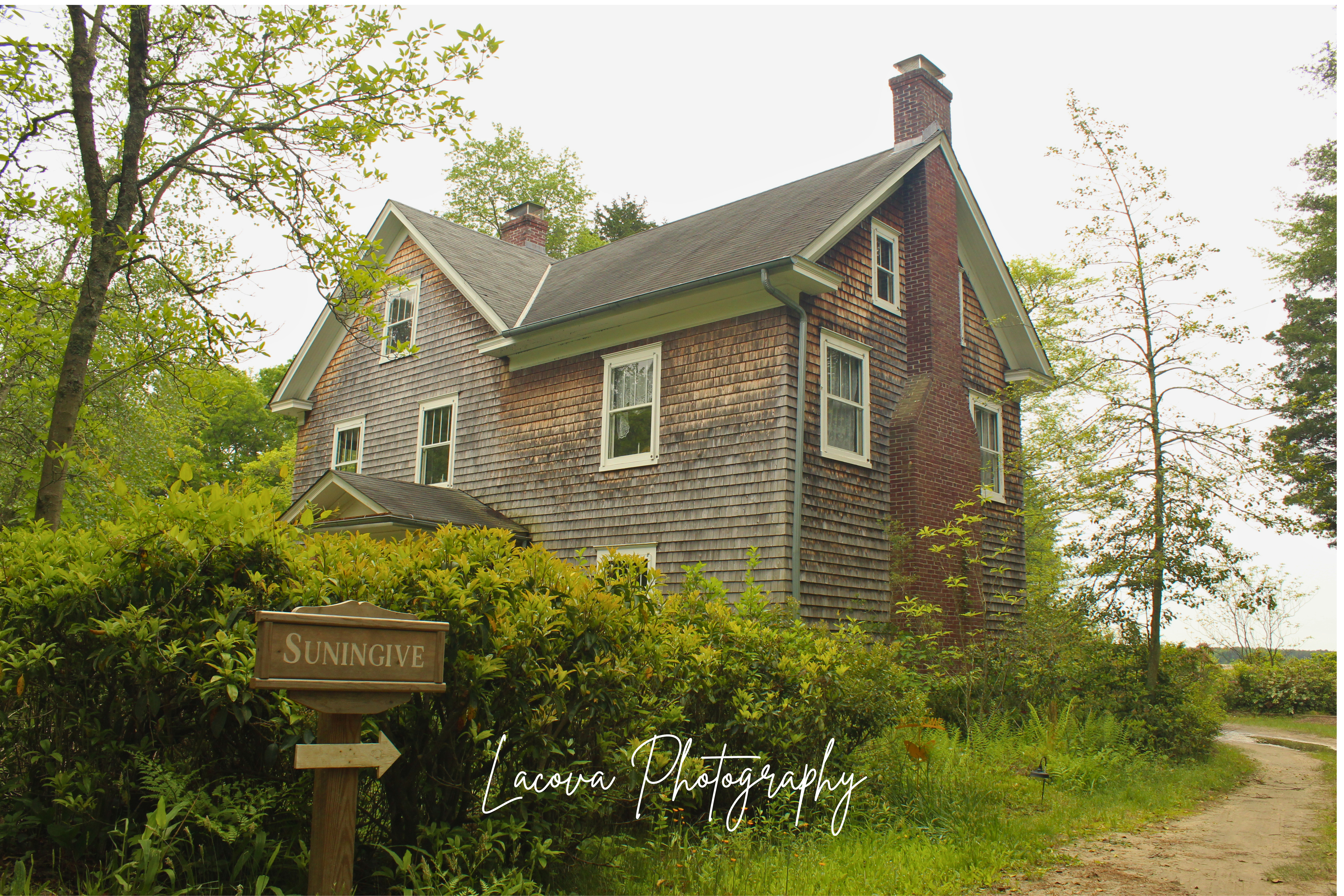
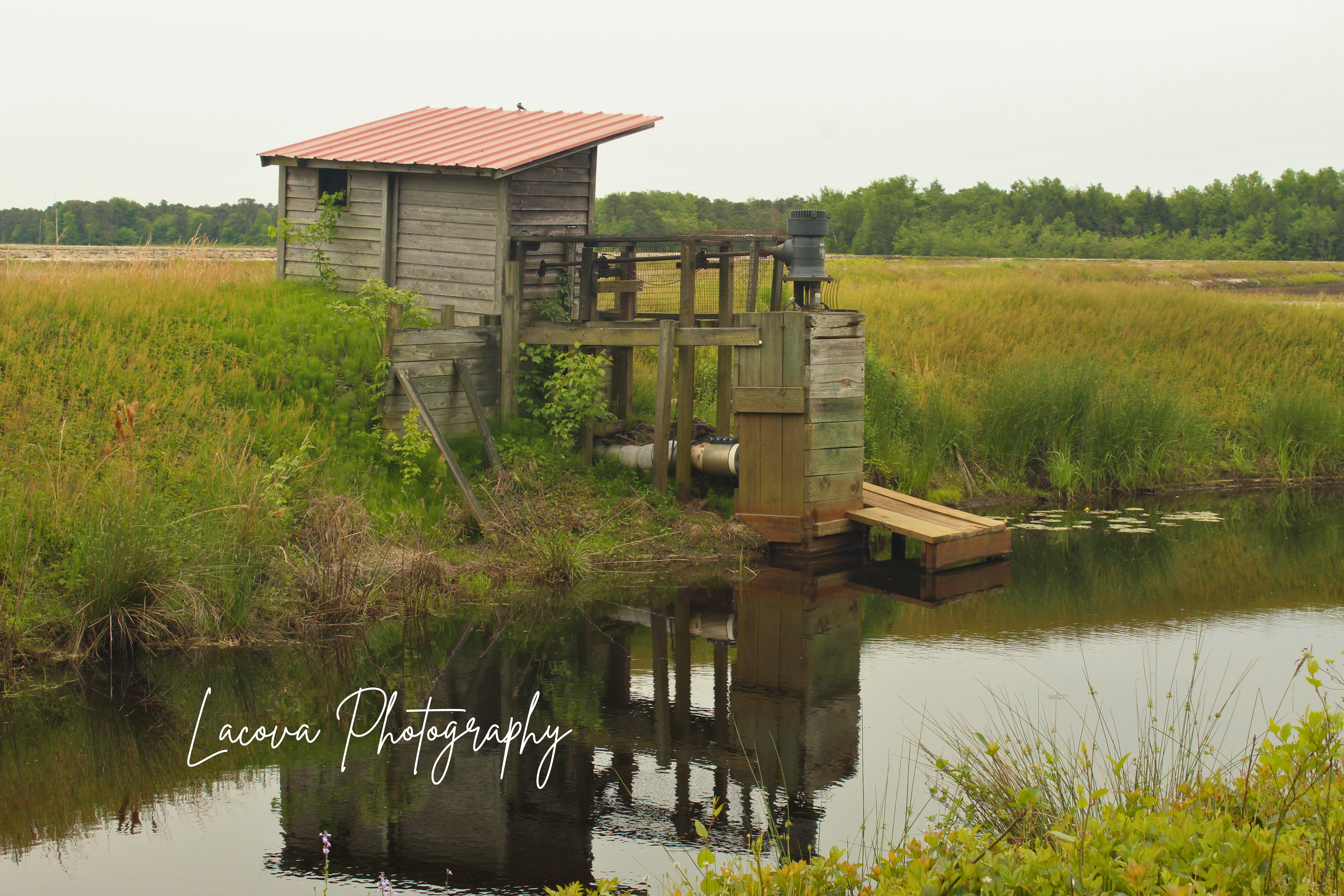
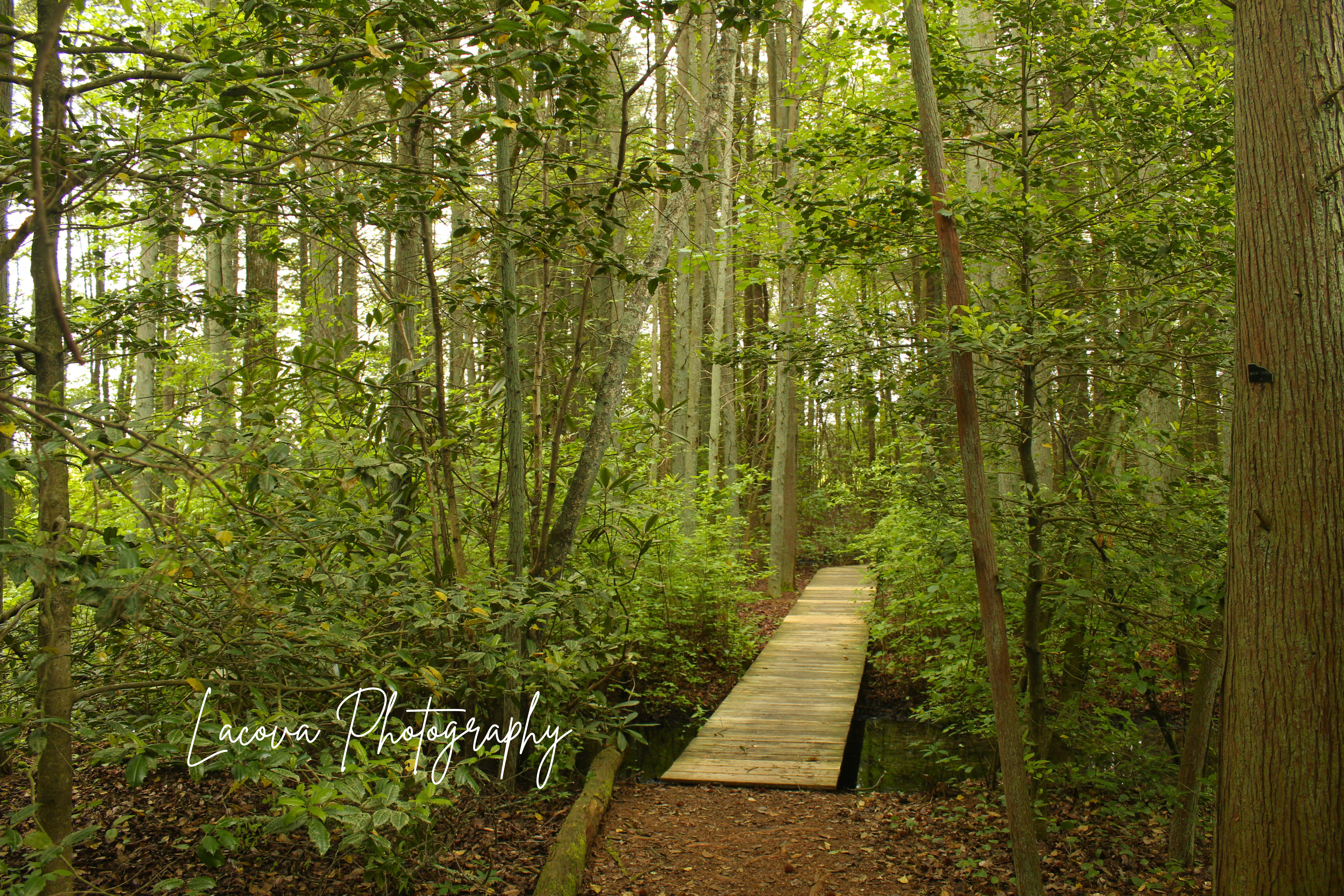
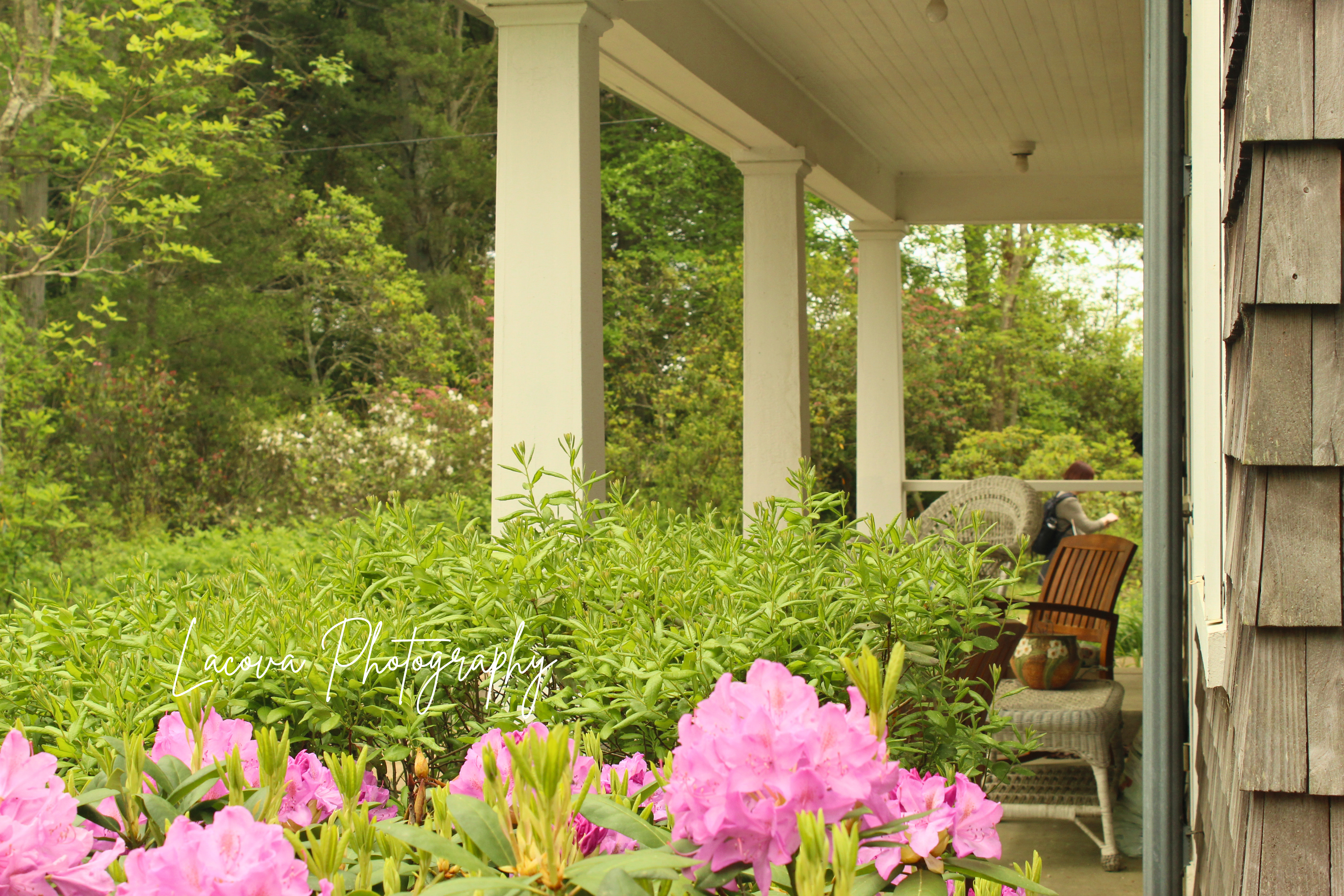
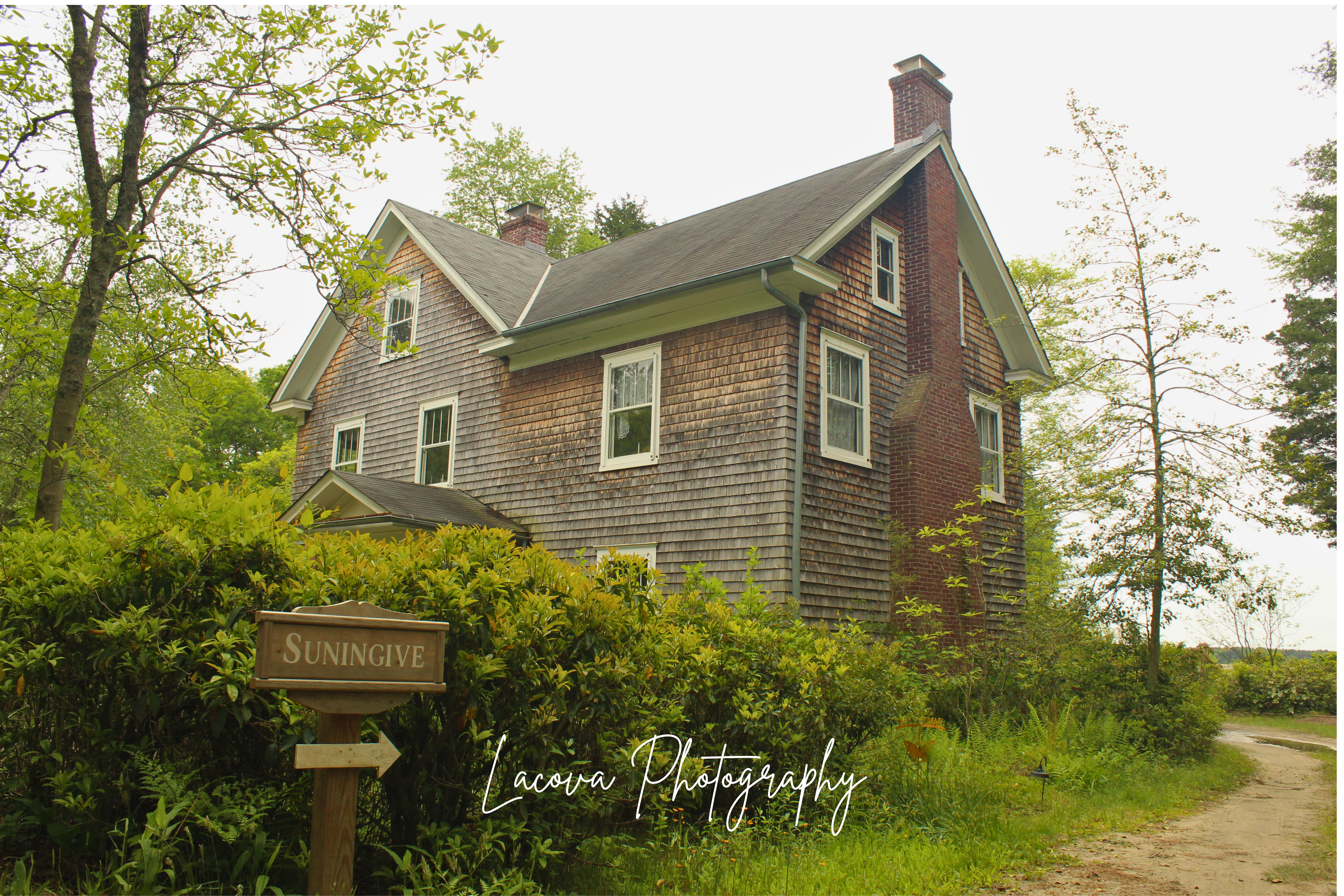
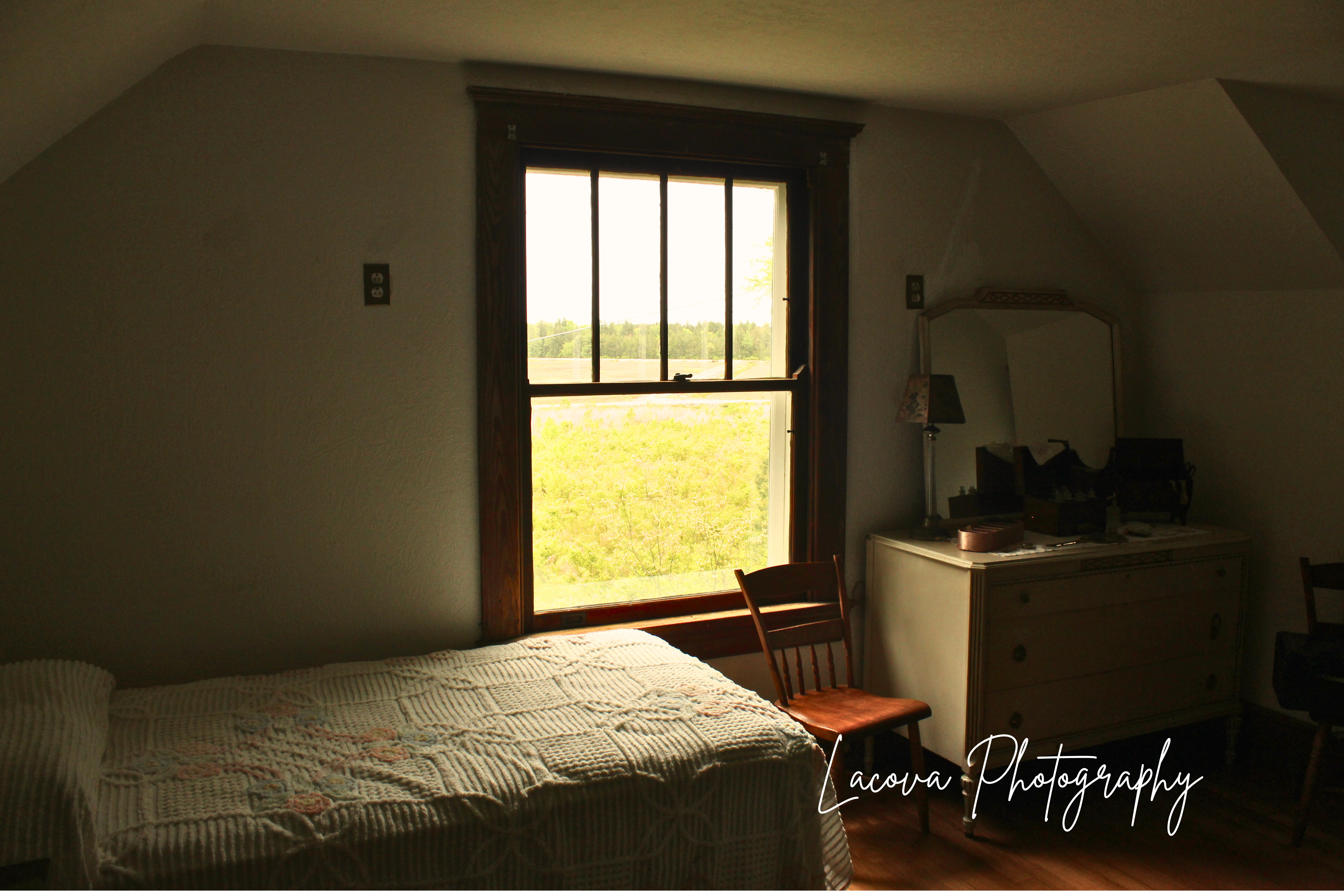
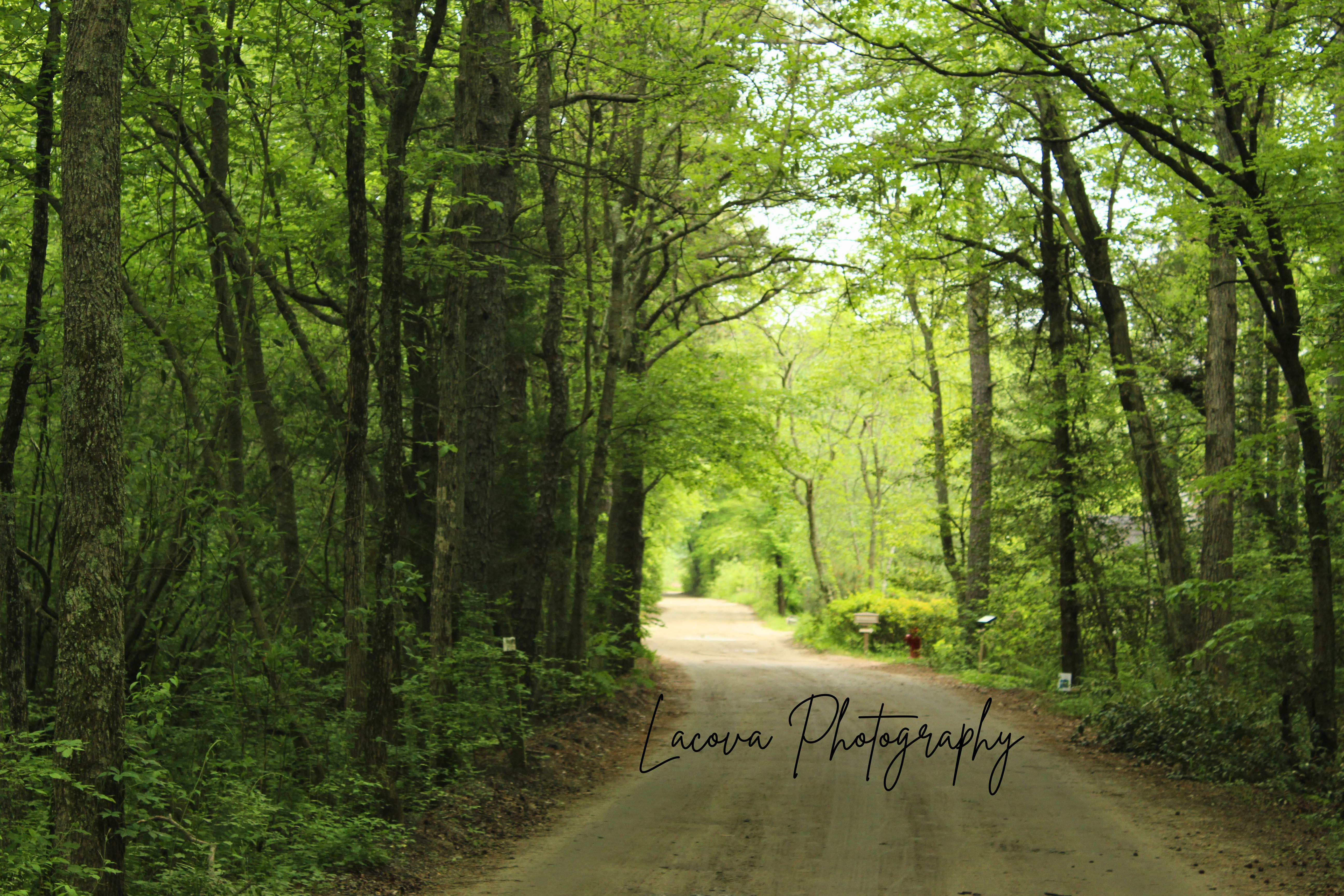
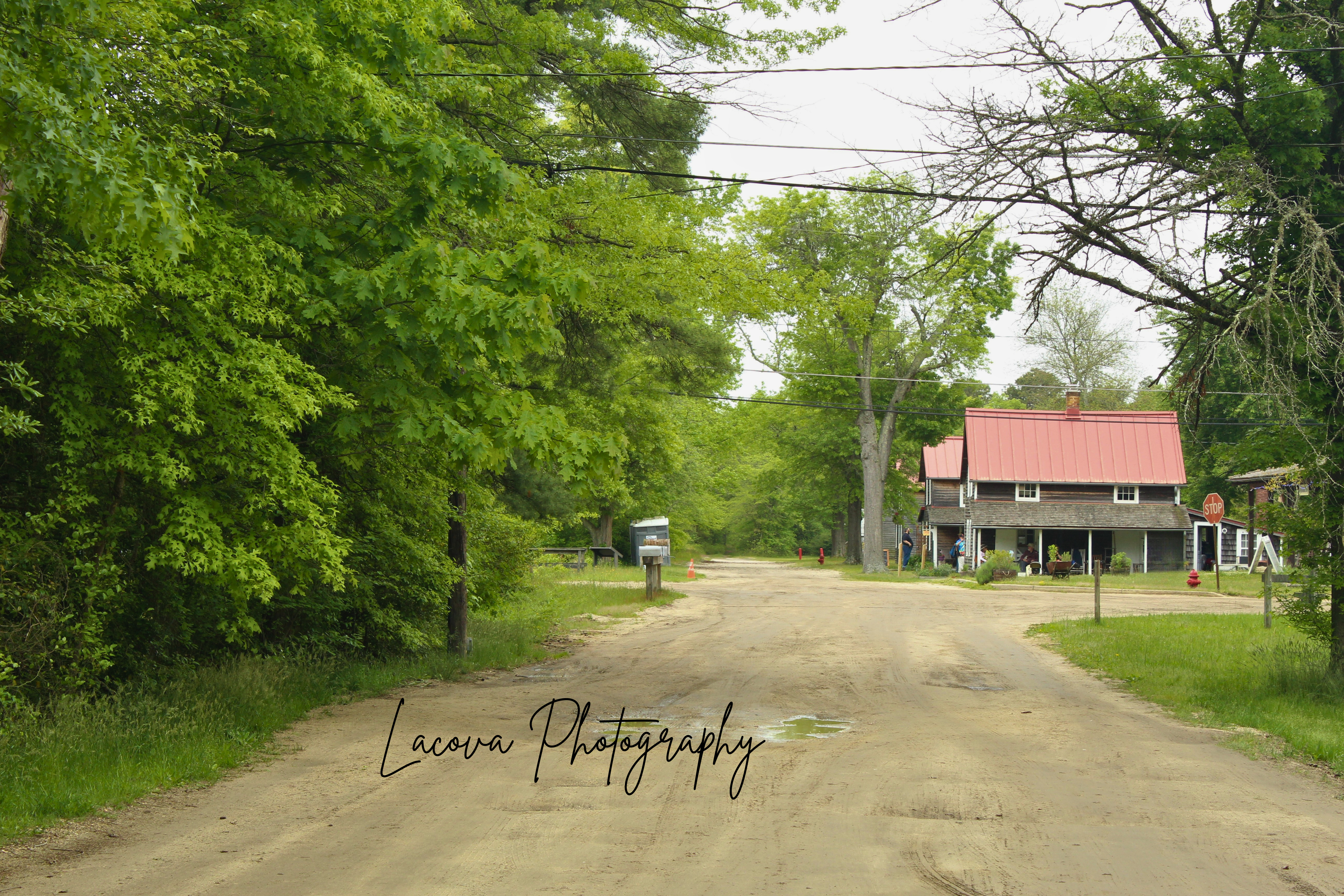
As I gaze at her desk in the back room of the Suningive, I know that the Rhododendrons in her gardens and the woods around her home will be in bloom soon. She must have walked past the purple flower that I call my brother’s birthday flower many times over her lifetime. The flower will soon bloom, giving the green, lush woods of the Pine Barrens a burst of purple that sprinkles along the path of Elizabeth Coleman White’s father’s 3,000-acre cranberry farm – Whitesbog. A farm she had dedicated her life to, but would never be allowed to possess.
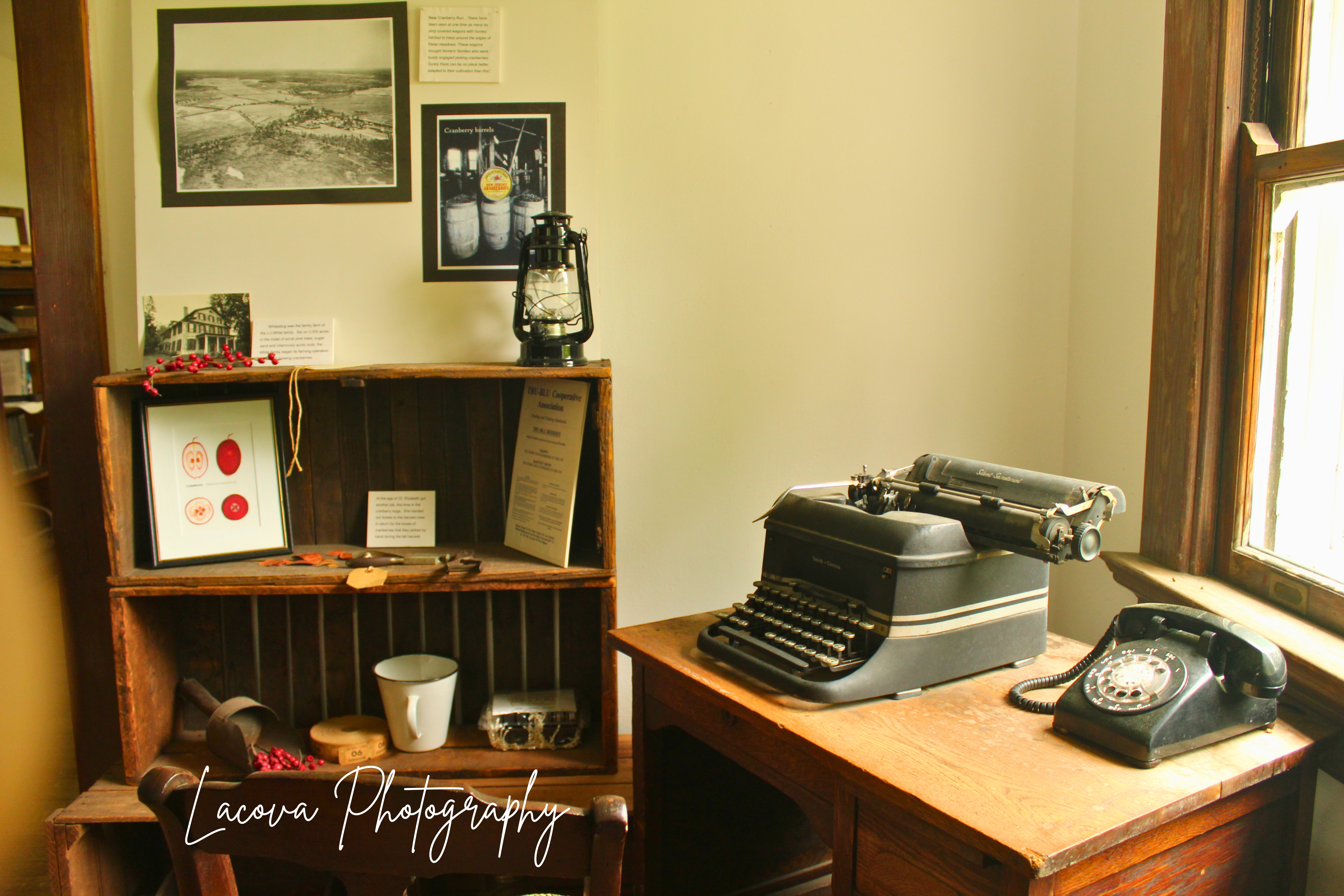
It has been 72 years since she sat at her desk, noting the different varieties of blueberries. The High Bush, which she pointed out to be a tart berry, was easily found in the Pine Barrens. Of the little bush, she said, “Autumn brings to none of our trees or bushes more brilliant reds than to blueberries, and when hard freezing takes away the fullest blaze of the foliage, the color does not fade to ashen gray, for the bark of the twigs is bright all winter” (White). What a beautiful soul she had to see the beauty in the world around her. The land of the pines can look desolate, but there is a beauty in its landscape and history.
This love of the land allowed Elizabeth Coleman White to be the pioneer of the New Jersey blueberry. Men might have held the leadership roles when farming the cranberry, but women were the innovators. Elizabeth began working as a “bushel man” on her father’s farm. Her observation sparked an interest for her to improve, not only the working conditions, but also to learn how to turn the wild blueberry into a crop. She was inspired by Dr. Frederick Coville, whose work on the blueberry she had read. Being a strong independent woman of her time, when she was in her early 20’s, she reached out to Dr. Coville and entered into a partnership to cultivate a crop of blueberries. She agreed to offer space on her father’s land for Dr. Coville to grow the wild blueberries in exchange for his knowledge of plants.
That’s when Elizabeth White turned to the native woodsman of the area. According to her interview on Radio Garden Club titled “Taming the Blueberries,” Elizabeth hired several of the “woodsmen” to bring her into the woods to locate the perfect “Swamp Huckelbierries,” as the locals called them. In the end, a total of six bushes were found, and Elizabeth named each after the men who located the different types of High Bushes:
Thus, we had from the wild the “Adams” variety, the “Harding”, the “Grover”, and the
“Dunfee” varieties. The fine bush found by Sam Lemmon could not well be called the
Lemmon variety, so we named it “Sam.” What has proved to be the very best bush of all
was found by a man known as Rube Leek. Leek savors of onions and Rube did not
seem an appropriate name for so aristocratic a bush. A happy solution was “Rubel,”
Rube, plus the first letter of Leek. “Rubel” is the only variety resulting from a multitude of
divisions of an original wild bush, the fruit of which is now shipped extensively. Many
thousands of plants of “Rubel” are in profitable cultivation. (White)
The Rubel Blueberry is still the blueberry of choice today, used in jams, jellies, and pies, and it is very high in antioxidants. Elizabeth sold the blueberries under the name of Tru-Blu-Berries.
She wasn’t just an innovator of the blueberry; she held a few other titles: the first woman of the American Cranberry Association, and she was the first woman to be recognized by the New Jersey Department of Agriculture for her contributions. She worked to save the American Holly Bush that was declining in the wild of the Pine Barrens.
Elizabeth Coleman White was not only living in the Pines, but also living with it. She devoted her life to preserving and protecting the land. She might be one of the Pine Barrens’ first environmentalists, which is evident in the gardens around her home of Suningive; she created gardens that grew native plants. She saw the beauty of the Pine Barrens and worked to protect the land and ensure that the plants, animals, and people within the region were protected.
A woman of the pines who wanted to preserve her native land, and created a crop so large that it can now be found being farmed from New Jersey to Washington, to Peru, to Chile, and to China, to name a few locations. It proves that if we take care of the land, it will, in turn, take care of us.

Sources and Websites


So impressed! These two articles are excellent. What a great project. So well written, so interesting! Can’t wait for the next chapter
Sent from Samsung Galaxy smartphone. Get Outlook for Androidhttps://aka.ms/AAb9ysg ________________________________
Thank you! Mary Treatvis and amazing person. You should pick up the biography.